Continuing the discussion regarding the professional rugby calendar for 2021, which I posted a few days ago, and a revamp of the Pro 14 tournament that I also proposed, I thought I would attempt to demonstrate how a global calendar could be possible. It’s not easy but is possible.
The idea is to have tournaments play out, making the season easier to follow. There would also be a progression of competitiveness and intensity from domestic competition and concluding with international matches.
- 2022 Professional season runs from February to November. The grass roots game continues to run from August/September to April/May. Minis and Junior rugby enjoy a winter break during December and January.
- The season should be structured to follow progression of competition (Domestic, European, Six Nations, Autumn Internationals) with no overlap of tournaments, allowing for clarity for teams, players and supporters.
- Top 14 starts in the first week in January, with the English Premiership and Irish/Welsh/Scottish/Italian domestic competition at the end of the month.
- Given the weeks allocated to domestic rugby the English Premiership and Top 14 will need to drop their end of season play off system from 2022.
- European Champions/Challenge Cup played after the northern hemisphere summer tours to the south.
- Six Nations pushed to the autumn and played following the completion of European competition.
- 2022 season culminates with the southern hemisphere tours of the northern hemisphere.
- Following the changes of competitions during 2020 the Super Rugby AU competition could continue in Australia and run concurrently with the Mitre 10 tournament in New Zealand.
- Grass roots rugby can continue with the current schedule (September to May). For example, in Wales traditional Christmas and New Year derbies will now feature Welsh Premiership rivalries, such as Pontypridd v Merthyr, Cardiff v Newport and Swansea v Llanelli, boosting interest in local, rather than professional, rugby during the festive period.
This is my proposal for how the rugby calendar could run in 2022 given the teams and competitions currently in place for 2020.
KEY
| Friday Date | Saturday Date | Sunday Date |
|
England |
||
|
Wales/Ireland/Scotland/Italy |
||
|
France |
||
|
New Zealand/South Africa/Australia/Argentina |
||
January 2022
| Friday 31st | Saturday 1st | Sunday 2nd |
|
Winter Break Winter Break |
||
|
Top 14 – Round 1 |
||
|
Winter Break |
||
| Friday 7th | Saturday 8th | Sunday 9th |
|
Winter Break Winter Break |
||
|
Top 14 – Round 2 |
||
|
Winter Break |
||
| Friday 14th | Saturday 15th | Sunday 16th |
|
Winter Break Winter Break |
||
|
Top 14 – Round 3 |
||
|
Winter Break |
||
| Friday 21st | Saturday 22nd | Sunday 23rd |
|
Winter Break Winter Break |
||
|
Top 14 – Round 4 |
||
|
Winter break |
||
| Friday 28th | Saturday 29th | Sunday 30th |
|
English Premiership – Round 1 |
||
|
Welsh, Irish and Scottish/Italian Domestic Tournament – Round 1 |
||
|
Top 14 – Round 5 |
||
|
Winter Break |
||
February 2022
| Friday 4th | Saturday 5th | Sunday 6th |
|
English Premiership – Round 2 |
||
|
Welsh, Irish and Scottish/Italian Domestic Tournament – Round 2 |
||
|
Top 14 – Round 6 |
||
|
Super Rugby – Round 1 |
||
| Friday 11th | Saturday 12th | Sunday 13th |
|
English Premiership – Round 3 |
||
|
Welsh, Irish and Scottish/Italian Domestic Tournament – Round 3 |
||
|
Top 14 – Round 7 |
||
|
Super Rugby – Round 2 |
||
| Friday 18th | Saturday 19th | Sunday 20th |
|
English Premiership – Round 4 |
||
|
Welsh, Irish and Scottish/Italian Domestic Tournament – Round 4 |
||
|
Top 14 – Round 8 |
||
|
Super Rugby – Round 3 |
||
| Friday 25th | Saturday 26th | Sunday 27th |
|
English Premiership – Round 5 |
||
|
Welsh, Irish and Scottish/Italian Domestic Tournament – Round 5 |
||
|
Top 14 – Round 9 |
||
|
Super Rugby – Round 4 |
||

March 2022
| Friday 4th | Saturday 5th | Sunday 6th |
|
English Premiership – Round 6 |
||
|
Welsh, Irish and Scottish/Italian Domestic Tournament – Round 6 |
||
|
Top 14 – Round 10 |
||
|
Super Rugby – Round 5 |
||
| Friday 11th | Saturday 12th | Sunday 13th |
|
English Premiership – Round 7 |
||
|
Pro 14 – Round 1 |
||
|
Top 14 – Round 11 |
||
|
Super Rugby – Round 6 |
||
| Friday 18th | Saturday 19th | Sunday 20th |
|
English Premiership – Round 8 |
||
|
Pro 14 – Round 2 |
||
|
Top 14 – Round 12 |
||
|
Super Rugby – Round 7 |
||
| Friday 25th | Saturday 26th | Sunday 27th |
|
English Premiership – Round 9 |
||
|
Pro 14 – Round 3 |
||
|
Top 14 – Round 13 |
||
|
Super Rugby – Round 8 |
||
April 2022
| Friday 1st | Saturday 2nd | Sunday 3rd |
|
English Premiership – Round 10 |
||
|
Pro 14 – Round 4 |
||
|
Top 14 – Round 14 |
||
|
Super Rugby – Round 9 |
||
| Friday 8th | Saturday 9th | Sunday 10th |
|
English Premiership – Round 11 |
||
|
Pro 14 – Round 5 |
||
|
Top 14 – Round 15 |
||
|
Super Rugby – Round 10 |
||
| Friday 15th | Saturday 16th | Sunday 17th |
|
English Premiership – Round 12 |
||
|
Pro 14 – Round 6 |
||
|
Top 14 – Round 16 |
||
|
Super Rugby – Round 11 |
||
| Friday 22nd | Saturday 23rd | Sunday 24th |
|
English Premiership – Round 13 |
||
|
Pro 14 – Round 7 |
||
|
Top 14 – Round 17 |
||
|
Super Rugby – Round 12 |
||
| Friday 29th | Saturday 30th | Sunday 1st |
|
English Premiership – Round 14 |
||
|
Pro 14 – Round 8 |
||
|
Top 14 – Round 18 |
||
|
Super Rugby – Round 13 |
||
May 2022
| Friday 6th | Saturday 7th | Sunday 8th |
|
English Premiership – Round 15 |
||
|
Pro 14 – Round 9 |
||
|
Top 14 – Round 19 |
||
|
Super Rugby – Round 14 |
||
| Friday 13th | Saturday 14th | Sunday 15th |
|
English Premiership – Round 16 |
||
|
Pro 14 – Round 10 |
||
|
Top 14 – Round 20 |
||
|
Super Rugby – Round 15 |
||
| Friday 20th | Saturday 21st | Sunday 22nd |
|
English Premiership – Round 17 |
||
|
Pro 14 – Round 11 |
||
|
Top 14 – Round 21 |
||
|
Super Rugby – Round 16 |
||
| Friday 27th | Saturday 28th | Sunday 29th |
|
English Premiership – Round 18 |
||
|
Pro 14 – Round 12 |
||
|
Top 14 – Round 22 |
||
|
Super Rugby – Round 17 |
||
 June 2022
| Friday 3rd | Saturday 4th | Sunday 5th |
|
English Premiership – Round 19 |
||
|
Pro 14 – Round 13 |
||
|
Top 14 – Round 23 |
||
|
Super Rugby – Round 18 |
||
| Friday 10th | Saturday 11th | Sunday 12th |
|
English Premiership – Round 20 |
||
|
Pro 14 – Round 14 |
||
|
Top 14 – Round 24 |
||
|
Super Rugby – Playoff Round |
||
| Friday 17th | Saturday 18th | Sunday 19th |
|
English Premiership – Round 21 |
||
|
Pro 14 – Semi Finals |
||
|
Top 14 – Round 25 |
||
|
Super Rugby – Semi Finals |
||
| Friday 24th | Saturday 25th | Sunday 26th |
|
English Premiership – Round 22 |
||
|
Pro 14 – Final |
||
|
Top 14 – Round 26 |
||
|
Super Rugby – Final |
||
 July 2022
| Friday 1st | Saturday 2nd | Sunday 3rd |
|
Summer Tour (First Test) |
||
| Friday 8th | Saturday 9th | Sunday 10th |
|
Summer Tour (Second Test) |
||
|
Mitre 10 Cup/Super Rugby AU – Round 1 |
||
| Friday 15th | Saturday 16th | Sunday 17th |
|
Summer Tour (Third Test) |
||
|
Mitre 10 Cup/Super Rugby AU – Round 2 |
||
| Friday 22nd | Saturday 23rd | Sunday 24th |
|
Break |
||
|
Mitre 10 Cup/Super Rugby AU – Round 3 |
||
| Friday 29th | Saturday 30th | Sunday 31st |
|
European Champions/Challenge Cup – Round 1 |
||
|
Mitre 10 Cup/Super Rugby AU – Round 4 |
||
 August 2022
| Friday 5th | Saturday 6th | Sunday 7th |
|
European Champions/Challenge Cup – Round 2 |
||
|
Mitre 10 Cup/Super Rugby AU – Round 5 |
||
| Friday 12th | Saturday 13th | Sunday 14th |
|
European Champions/Challenge Cup – Round 3 |
||
|
Mitre 10 Cup/Super Rugby AU – Round 6 |
||
| Friday 19th | Saturday 20th | Sunday 21st |
|
European Champions/Challenge Cup – Round 4 |
||
|
Mitre 10 Cup/Super Rugby AU – Round 7 |
||
| Friday 26th | Saturday 27th | Sunday 30th |
|
European Champions/Challenge Cup – Round 5 |
||
|
Mitre 10 Cup/Super Rugby AU – Round 8 |
||
September 2022
| Friday 2nd | Saturday 3rd | Sunday 4th |
|
European Champions/Challenge Cup – Round 6 |
||
|
Mitre 10 Cup/Super Rugby AU – Round 9 |
||
| Friday 9th | Saturday 10th | Sunday 11th |
|
European Champions/Challenge Cup – Quarter Finals |
||
|
Mitre 10 Cup/Super Rugby AU – Round 10 |
||
| Friday 16th | Saturday 17th | Sunday 18th |
|
European Champions/Challenge Cup – Semi Finals |
||
|
Rugby Championship – Round 1 |
||
| Friday 23rd | Saturday 24th | Sunday 25th |
|
European Champions/Challenge Cup – Finals |
||
|
Mitre 10 Cup – Semi-finals, Rugby Championship – Round 2 |
||
 October 2022
| Friday 30th | Saturday 1st | Sunday 2nd |
|
Six Nations – Round 1 |
||
|
Mitre 10 Cup – Finals, Rugby Championship – Break |
||
| Friday 7th | Saturday 8th | Sunday 9th |
|
Six Nations – Round 2 |
||
|
Rugby Championship – Round 3 |
||
| Friday 14th | Saturday 15th | Sunday 16th |
|
Six Nations – Round 3 |
||
|
Rugby Championship – Round 4 |
||
| Friday 21st | Saturday 22nd | Sunday 23rd |
|
Six Nations – Break |
||
|
Rugby Championship – Break |
||
| Friday 28th | Saturday 29th | Sunday 30th |
|
Six Nations – Round 4 |
||
|
Rugby Championship – Round 5 |
||
 November 2022
| Friday 4th | Saturday 5th | Sunday 6th |
|
Six Nations – Round 5 |
||
|
Rugby Championship – Round 6 |
||
| Friday 11th | Saturday 12th | Sunday 13th |
|
Break/Optional Autumn International |
||
| Friday 18th | Saturday 19th | Sunday 20th |
|
Autumn Internationals |
||
| Friday 25th | Saturday 26th | Sunday 27th |
|
Autumn Internationals |
||
 December 2022
| Friday 2nd | Saturday 3rd | Sunday 4th |
|
Autumn Internationals |
||
| Friday 9th | Saturday 10th | Sunday 11th |
|
Winter Break |
||
| Friday 16th | Saturday 17th | Sunday 18th |
|
Winter Break |
||
| Friday 23rd | Saturday 24th | Sunday 25th |
|
Winter Break |
||
| Friday 30th | Saturday 31st | Sunday 1st |
|
Winter Break Winter Break |
||
|
Top 14 – Round 1 |
||
|
Winter Break |
||
This is just my idea and, although radical in some respects, does show that a proper global rugby calendar can be achieved. It can make the season simpler to follow, none of the issues of “which competition are we playing in this week?”

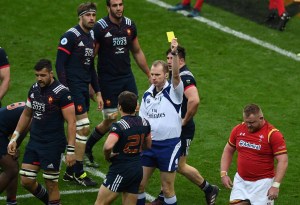
 As a prelude to this was the expected set of scrums and resets. But to counter this the French were somehow allowed to bring back on their first choice tighthead prop Slimani. He solidified the French scrum, putting pressure on Rob Evans by illegally binding on his arm. Things were complicated further when Barnes branded a yellow card to Samson Lee. This was inevitable given the penalties being conceded so close to the try line. Confusion then reigned as Thomas Francis had to rejoin the fray with debate raging over whether paperwork stated he had been replaced or substituted. Perhaps he should’ve run on the pitch at full pace and pulled his hamstring! The whole episode proved once and for all the shambolic nature of scrums at the highest level of the game. Although safety is paramount the resets and prolonged debate over who should be involved was nothing but a joke. Then things got even worse!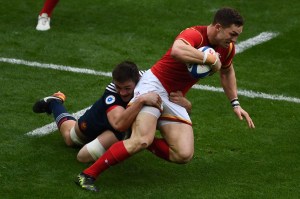
 To add to the ludicrousness of the situation a French player suggested that North had done it himself. Astonishingly French boss Guy Noves was quoted as repeating this accusation. If that’s true then Noves should be ashamed. Wether an incident of biting did occur or not we will have to wait and see. But to claim North did it to himself is embarrassing. Eventually the red wall gave way. But it took entering the 100th minute of the game for that defence to be broken. To the skeptics amongst us French Fergie-time meant that this game was surely destined to continue until France scored. But the final whistle just began the fallout.
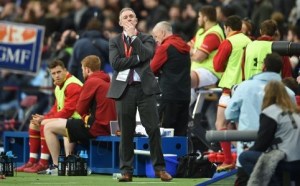 A furious Dan Biggar walked off the field before rightly being sent back by Howley to shake hands. Alun Wyn Jones was quickly nabbed by the BBC for comment but skilfully avoided using the word ‘cheat’. The WRU coaches refused media duties until they reviewed the footage. Martyn Williams working for BBC television said that he’d seen Slimani warming up minutes before Antonio’s mysterious sore back needed a head injury assessment. When Rob Howley did speak he suggested that French officials had left the technical area to relay a message to the Doctor, presumably to remove Antonio from the field which happened moments later. This story will inevitably run and run. Personally I wanted a camera on Shaun Edwards because I imagine he’d have been losing his mind with rage. For all their defensive efforts the Wales players did not deserve to lose in that manner.
 The controversy in Paris, tentatively labelled ‘HIAgate’, must not be allowed to overshadow a disappointing Six Nations campaign. During the autumn the coaches clung to the straw of 3 wins from 4 in the face of poor performances and a lack of tries. Now there is no hiding. 2 wins from 5 and a fifth placed finish is unacceptable for this squad. Mercifully the potential calamity of falling out of the top 8 in world rankings for the Rugby World Cup draw was avoided. They raised their performances for the big home games against England and Ireland but were embarrassing in the second half against the Scots. Wales were the only nation not to score four tries against a poor Italy and although they played for 100 minutes in Paris didn’t look like scoring a try. The development of a new attacking game was nowhere to be seen.
 Now the Six Nations is over attention turns to the Lions tour. Worryingly Rob Howley will be the backs coach and seems unlikely that in less time with players he’s never worked with before he can instil a spectacular offensive game to challenge the world champion All Blacks. That squad will however have plenty of quality players with England, Ireland and Scotland all going to contribute talent. From a Welsh perspective Rhys Webb and George North have impressed in attack during the tournament. Leigh Halfpenny would be a priceless goal kicker to have in the squad. Sam Warburton, freed from the burden of captaincy, has been outstanding as has Justin Tipuric. Alun Wyn Jones could be a captaincy contender and Ken Owens has also come from nowhere to become a genuine contender for a test shirt.

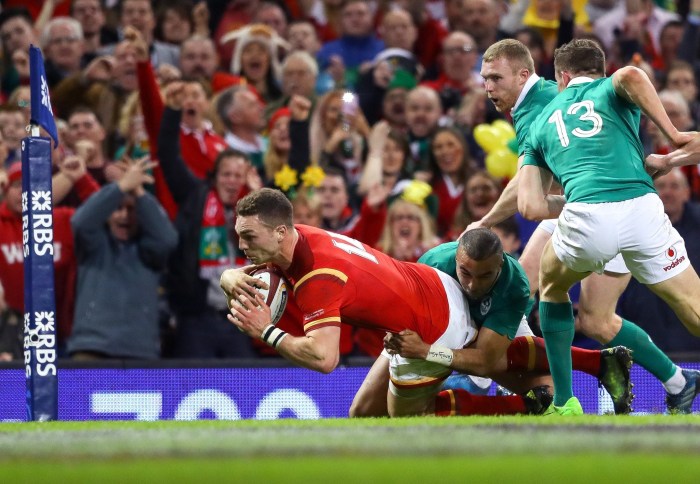
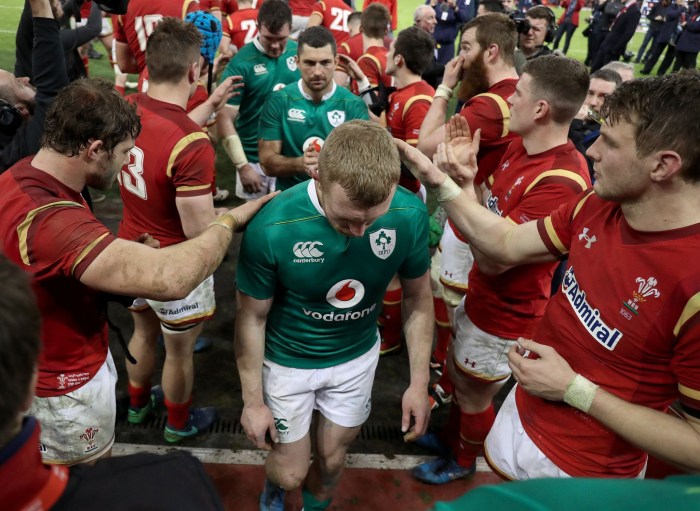
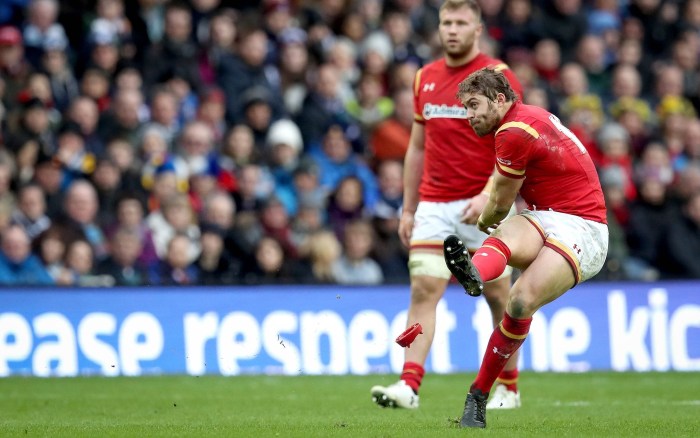

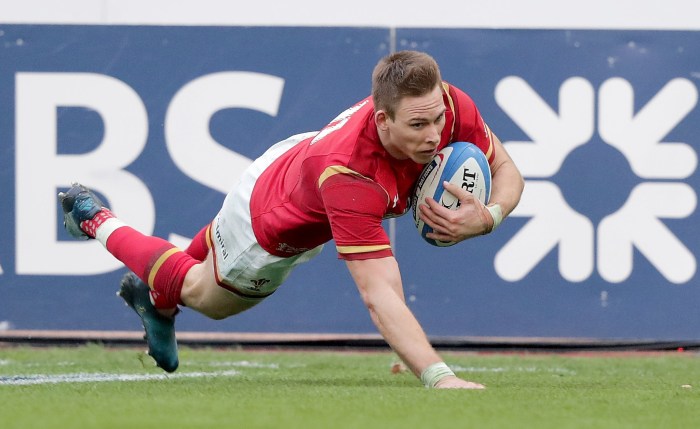 It had been ten years since the Welsh rugby team had lost to their Scottish counterparts at international level. There were young children in the stands of Murrayfield who had never seen Scotland beat Wales. This all changed yesterday following a dismal second half performance from the men in red and confirmed that the Scottish resurgence seen against Ireland was not a mere flash in the pan. The result proved symbolic of a drastic change in fortunes. The Scots are thriving and full of confidence. Wales however are stagnant and devoid of ideas.
 It has been levelled at this Welsh team that they’ve spent too long in the gym and not enough time working on their skills. Rugby is so often a simple game where basic skills done well can heap rich rewards. The Welsh team have tried to address these issues with the blunt bludgeon of Jamie Roberts being replaced by the more composed distributor Scott Williams. A seemingly wise decision as Roberts came on and threw one particularly dreadful pass. In contrast Finn Russell and Hogg combined with two perfect passes to put Tim Visser over which made the Welsh defensive line look like they weren’t even there. However it’s not just the lack of skill from the Welsh players which is troubling, it’s the absence of attacking intelligence.
 Wales were undone by dummy runners for Scotland’s first try by Tommy Seymour. This came with the tenth phase but yet the Scots still had the ability to deliver a backs move. Wales showed against England that they can pull off backs moves on first phase. But after one ruck Wales become horrendously predictable. One off runners. Side to side play. Waiting for a missed tackle or a back running against a forward rather than creating something themselves. As a defensive team you only need to match Wales’ physicality to contain them. Alex King came in recently after being deemed surplus to requirements at a Northampton team who were also misfiring. In the autumn it was Matt Sherratt but he’s gone back to Cardiff Blues. Yet with Rob Howley also supposedly a backs coach, a role he’ll be taking on for the Lions this summer, the Welsh team are simply not creating and crucially scoring tries. Two backs coaches and a talented backline however still cannot produce five pointers. This is not a new problem with Wales fans still bemused how they couldn’t score against 13 Wallabies in the World Cup. Scotland showed how it can be done and it won them the game.
 Wales had chances with Rhys Webb notably close to a try. However even that had not been created by Wales but the scrum half instinctively reacting to a loose ball. Outside of that Wales coughed up the ball, threw wild inaccurate passes or were so predictable in their carrying that the Scots could target the ball and win turnovers. Wales did go for a try to take the lead, dismissing the chance to level the score but that decision itself gave a worrying glimpse of dissent in the camp.
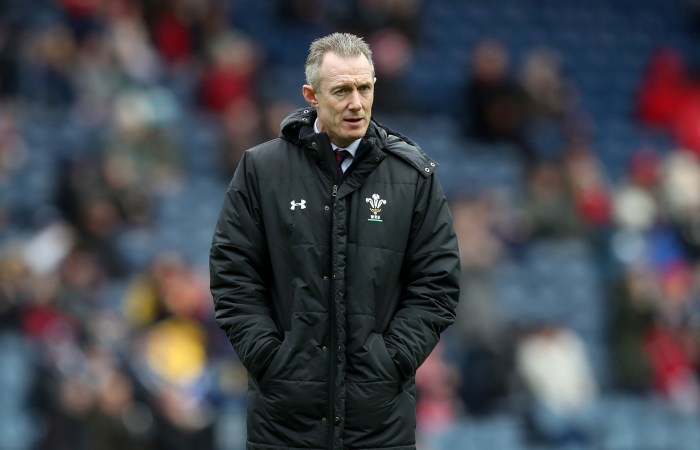 With the exception of the front row the majority of the starting lineup and the coaching setup is largely the same. All the other home nations have improved. England are on a winning run, Ireland beat the All Blacks for the first time ever and Scotland have now defeated Wales for the first time in a decade. Those teams have progressed but Wales have stood still. Only major change can solve this problem. It needs to be both on and off the pitch. Wales go up against title chasing Ireland next then face a daunting trip to Paris against a hugely physical French team. Perhaps it will take two defeats in those games to trigger the long overdue reaction. We do however seem to have returned to an era where Wales players can beat Italy and raise their game for England but the rest are simply leaving us behind.
 There was so much to enjoy and discuss. Wales produced one of their best performances in the Six Nations for years and it was heartbreaking for them to lose it at the death. The effort from the forward pack was immense, matching and getting the edge on their English counterparts. Ross Moriarty stood out with some bone crushing hits, including a shot on Owen Farrell that was a bit late. Credit to the Englishman he didn’t make a fuss. Got his breath back and carried on with the game. Jake Ball, with a face full of stitches, carried hard. Ken Owens hit all his lineouts. The scrum was solid and unlucky on a few referee calls. Alun Wyn Jones, Warburton and Tipuric gave everything as usual with some particularly crucial turnovers. For England Dylan Hartley was entirely anonymous, his most recent ban costing him crucial match fitness. Launchbury and Lawes carried and tackled themselves into the ground whilst Clifford and Itoje engaged in a fascinating battle with the more experienced Welsh flankers. But yet for all the Welsh effort up front it was, as is often the case, the backs which proved the difference.
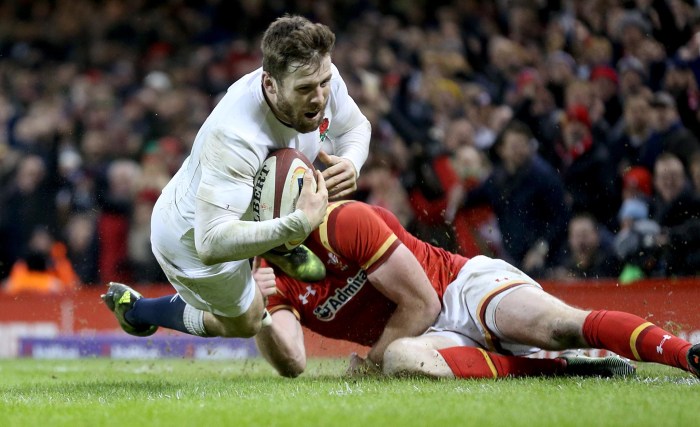
 Whilst the Welsh backline crafted a stunning try from first phase for Liam Williams they failed to take the opportunity of strong territorial positions. England however were clinical. George Ford had been highlighted as a defensive weakness, his lack of stature made for easy yardage gains. However his ability to time a pass and put a player in a hole more than made up for those inadequacies. The game will of course will be remembered for the final moments as Elliot Daly scored to seal the win. Wales had defended heroically on their line twice during the second half. It was what they did after that which proved their undoing. Firstly, Dan Biggar’s interception and dash up field was undone with the freshly introduced Scott Baldwin botching the subsequent lineout throw. Similarly Jonathan Davies failed to find the touchline from a relieving kick at a time when Wales needed to regroup and reorganise at a set piece. This then exposed the unfortunate Alex Cuthbert.
 Running alongside the debate over whether the stadium roof would be open or not was the saga concerning George North. Having suffered a dead leg in Rome, but still having the ability to run in a try from distance, North looked unlikely to make the England game. Whilst the Welsh coaching team were perfectly within their rights to name him in the team and pull him out an hour before kickoff it stank of the childish shenanigans which England coach Eddie Jones had predicted. Equally predictable was that Alex Cuthbert, North’s designated replacement, was going to have his head in his hands at some point against England. Unfortunately for Wales it occurred at the very end as his inability to get Daly into touch cost Wales a victory they deserved given their efforts.
 Cuthbert has been let down by his bosses. Short on confidence and desperate to just do something right he shouldn’t be continually thrust into the glare of international rugby where criticism and sadly abuse are sure to follow. He should be spared this by those responsible for picking the team. Despite what people say Wales were not short of other options. Stef Evans might’ve been a long shot to start such a big game but Sam Davies, Gareth Anscombe or Matthew Morgan, who scored a superb counterattacking try against Bristol recently, could’ve covered fullback and allowed Leigh Halfpenny to cover on the wing. However this lack of thought is highly indicative of a management team who seem to make substitutions based on the time on the match clock alone.
 Bedwyr Gullidge